-web_large.webp?image_version=1791004972)
Why can a deck cost more than you expected?
Building, repairing, or replacing a deck may seem like a simple project at first. Many homeowners think about the size of the deck, the type of boards, and the labor, but the final price depends on many more factors.
That is why two deck estimates can be very different from each other. It does not always mean that one contractor is charging too much or that another is offering a better option. Many times, the difference comes down to the scope of work, the actual condition of the structure, the materials included, and the level of safety and quality being considered.
“What factors affect the cost?”
1. The size of the deck is not the only factor.
Although size is important, it is not the only thing that determines the cost. A small deck can cost more than expected if it is in a hard-to-access area, requires stairs, railings, new footings, or structural repairs.
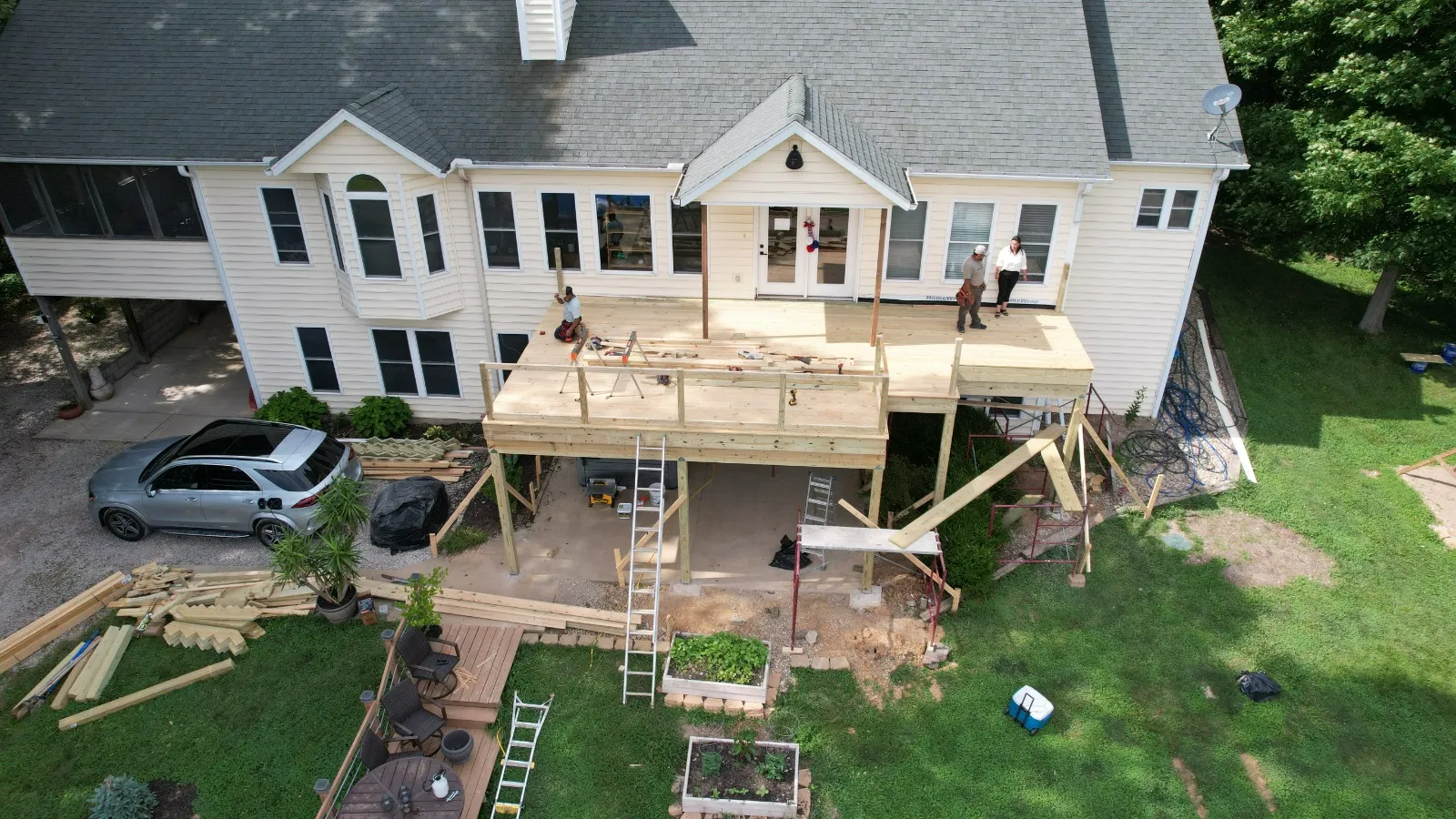
For example, a simple low-level deck usually requires less work than an elevated deck with long stairs, multiple levels, or railings around the entire structure.
2. The existing structure may have hidden damage.
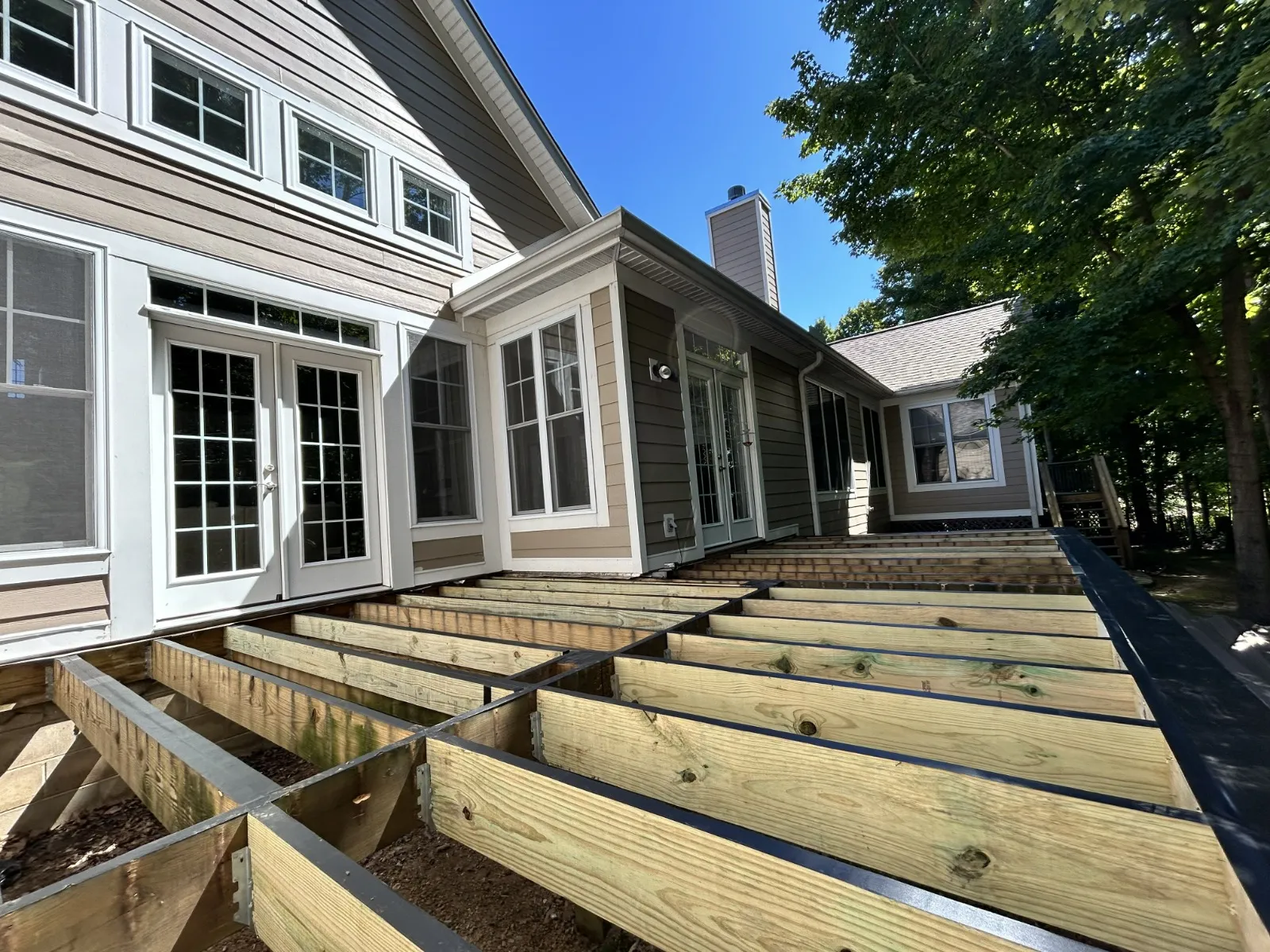
When deck boards are replaced, it is common to discover that the structure underneath also needs attention. The joists, beams, posts, ledger board, or connections may have damage from moisture, rot, movement, or improper installation.
From the top, a deck may appear to be in acceptable condition. But underneath the boards, there may be issues that affect the safety of the project. If the structure is not in good condition, installing new material on top does not solve the problem.
3. Railings and stairs increase the cost.
Railings, stairs, and landings often represent a significant part of the cost of a deck. They require not only additional materials, but also more installation time and greater care during construction.
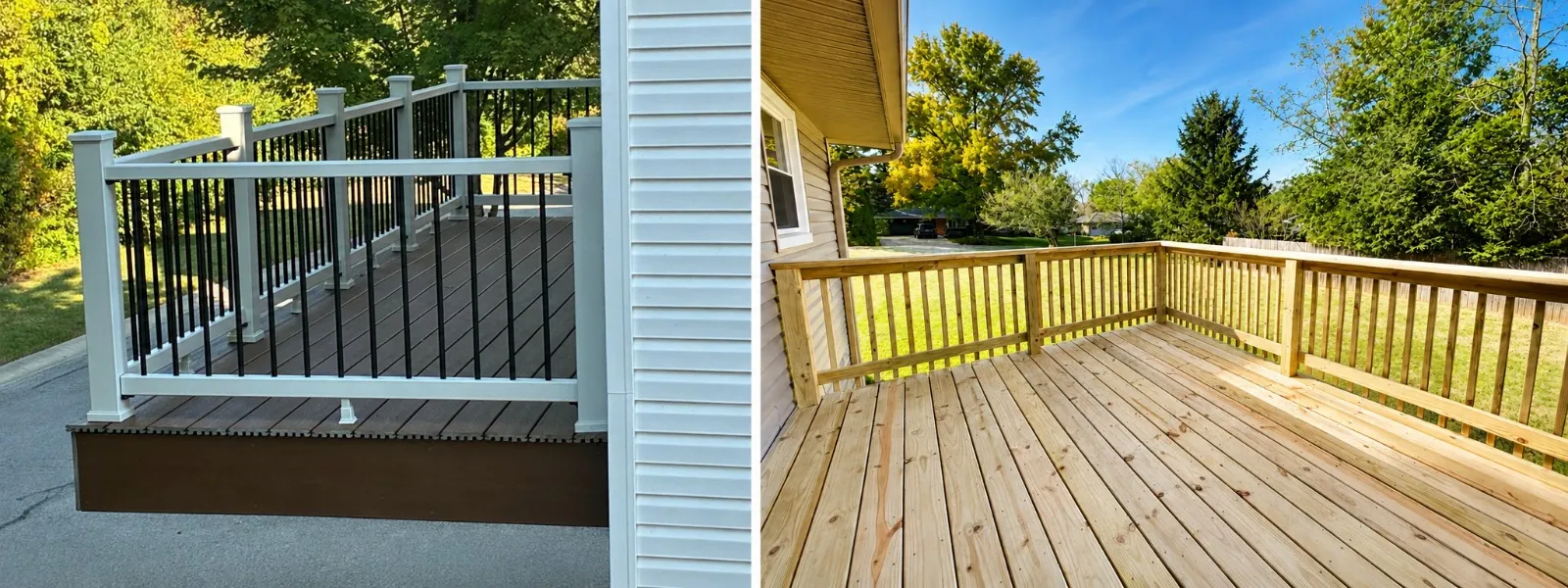
A low-level deck without railings does not cost the same as an elevated deck with stairs, guardrails, posts, balusters, fascia, and risers. These details can significantly change the estimate.
4. The selected material makes a big difference.
Pressure-treated wood usually has a lower initial cost than materials like composite decking. However, composite can offer long-term benefits, such as lower maintenance, better moisture resistance, and a more consistent appearance.
Also, not all composite materials have the same price. The brand, product line, color, railing type, and accessories can all affect the final cost.
5. Access to the work area matters.
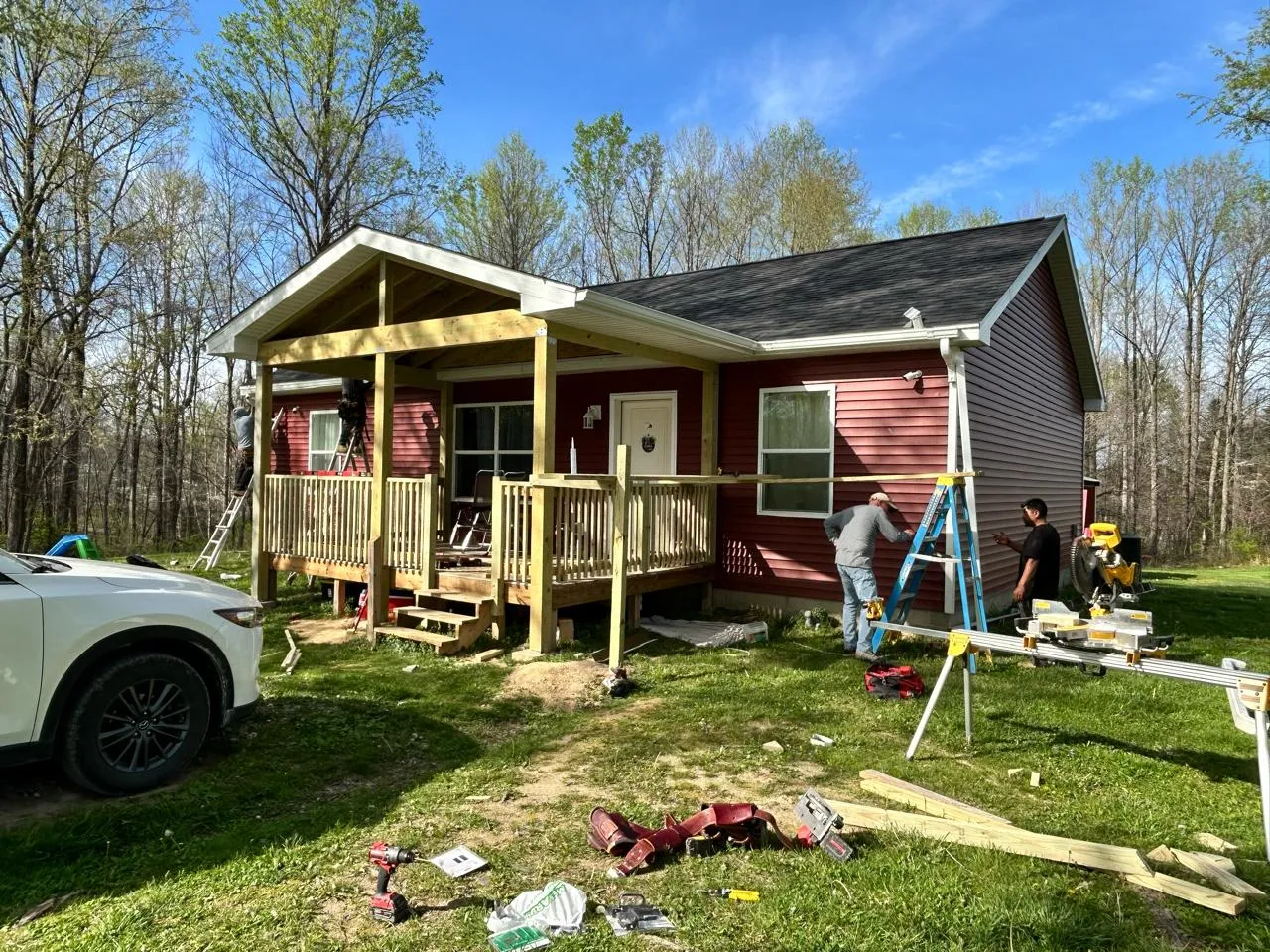
A project can cost more if the work area is difficult to access. If materials must be carried by hand, if there is no room for equipment, if the deck is on a slope, or if the area is far from the unloading point, labor costs can increase.
Access also affects demolition, debris removal, and the installation of new materials.
6. Demolition and material disposal also have a cost.
Removing an existing deck is not just “taking off boards.” It can include removing railings, stairs, posts, old framing, concrete, hardware, and debris. Then, everything must be loaded, transported, and disposed of properly.
Depending on the size and condition of the existing deck, demolition can be a significant part of the estimate.
7. Building safely requires more than visible materials.
A deck is not only what you see from above. Safety depends on a properly built structure, adequate connections, correct support, appropriate footings, and details that are often not visible to the homeowner.
A more complete estimate may include items that another estimate does not mention, such as blocking, hardware, post bases, connectors, reinforcement, moisture protection, or necessary structural improvements.
8. Finishing details also add to the cost.
Elements like fascia, risers, cocktail rail, picture framing, lighting, color matching, or higher-quality railings can greatly improve the final appearance of the deck, but they also increase the cost.
That is why it is important to know exactly what the estimate includes and what it does not include.
9. A low estimate may not include the full scope of work.
When an estimate is much lower than the others, it is important to review whether it truly includes everything needed. Common differences may include:
*Demolition and material disposal.
*Structural repair or replacement.
*Railings and stairs.
*Footings or post bases.
*Fascia and finishing details.
*Permits or code compliance, if applicable.
*Final cleanup.
*Specific materials and installation quality.
Comparing only the final price can be confusing if the estimates do not include the same scope of work.
10. The goal should not be just to build a deck, but to build it well.
A deck is a structure that people use to walk, sit, gather, and enjoy the outdoors. That is why the price should not be evaluated only by the initial cost, but also by safety, durability, materials, documentation, and quality of work.
In many cases, paying a little more for a clear scope of work and a well-executed build can help avoid more costly problems in the future.
-A deck can cost more than expected because the project involves much more than installing new boards. The structure, railings, stairs, access, demolition, and safety details can significantly change the price. At RidgePoint Construction, we help homeowners understand what their project includes, evaluate the actual condition of their deck, and prepare clear estimates so they can make an informed decision.-
-web_large.webp?image_version=1791004970)



-web_large.webp?image_version=1791004953)
0 Comments